

Loading...

Phytopathology-Virology

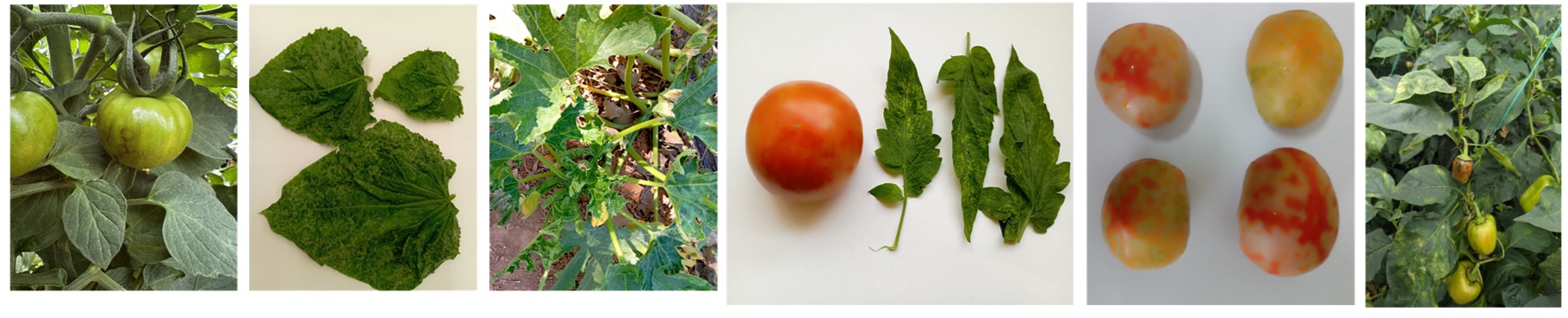
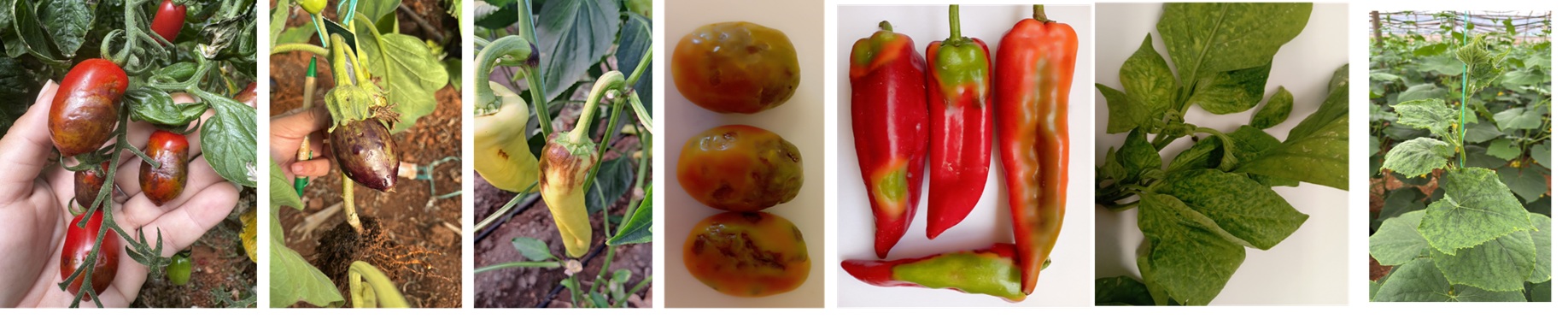
The long-standing presence of plant-pathogenic viruses, together with their impacts on crop productivity, quality, and sustainability, has become particularly significant in the context of climate change. Changes in climatic conditions may affect and modify the complex interactions among the plant host, the pathogen, and the transmission vector, disrupting existing ecological equilibrium and creating more favorable conditions for the emergence, establishment and spread of existing, as well as emerging plant viruses. Under these circumstances, identification and early detection of plant pathogens, epidemiological monitoring, and a comprehensive understanding of the complex interactions which guide the emergence, evolution, and spread of plant diseases are of great significance. The integration and combined application of advanced molecular diagnostic approaches can contribute to the early detection and assessment of epidemiological risks and, consequently, to the prevention and effective management of diseases affecting cultivated plants. Furthermore, these approaches can support the development of sustainable and effective plant protection strategies capable of responding to the complex challenges associated with climate change, thereby contributing to the productivity and long-term sustainability of modern agricultural systems.

  • Identification and molecular characterization of plant pathogens affecting horticultural crops.
  • Development and optimization of molecular diagnostic assays, with particular emphasis on propagation and planting material.
  • Investigation of viral genetic variability and evolution of plant pathogenic viruses.
  • Studies on plant–virus–vector interactions.
Dr Polyxeni Pappi pappi@elgo.gr